
| Unravelling Marijuana Regulation Council Intends To Ask Voters What To Do |


Loveland - July 23, 2010
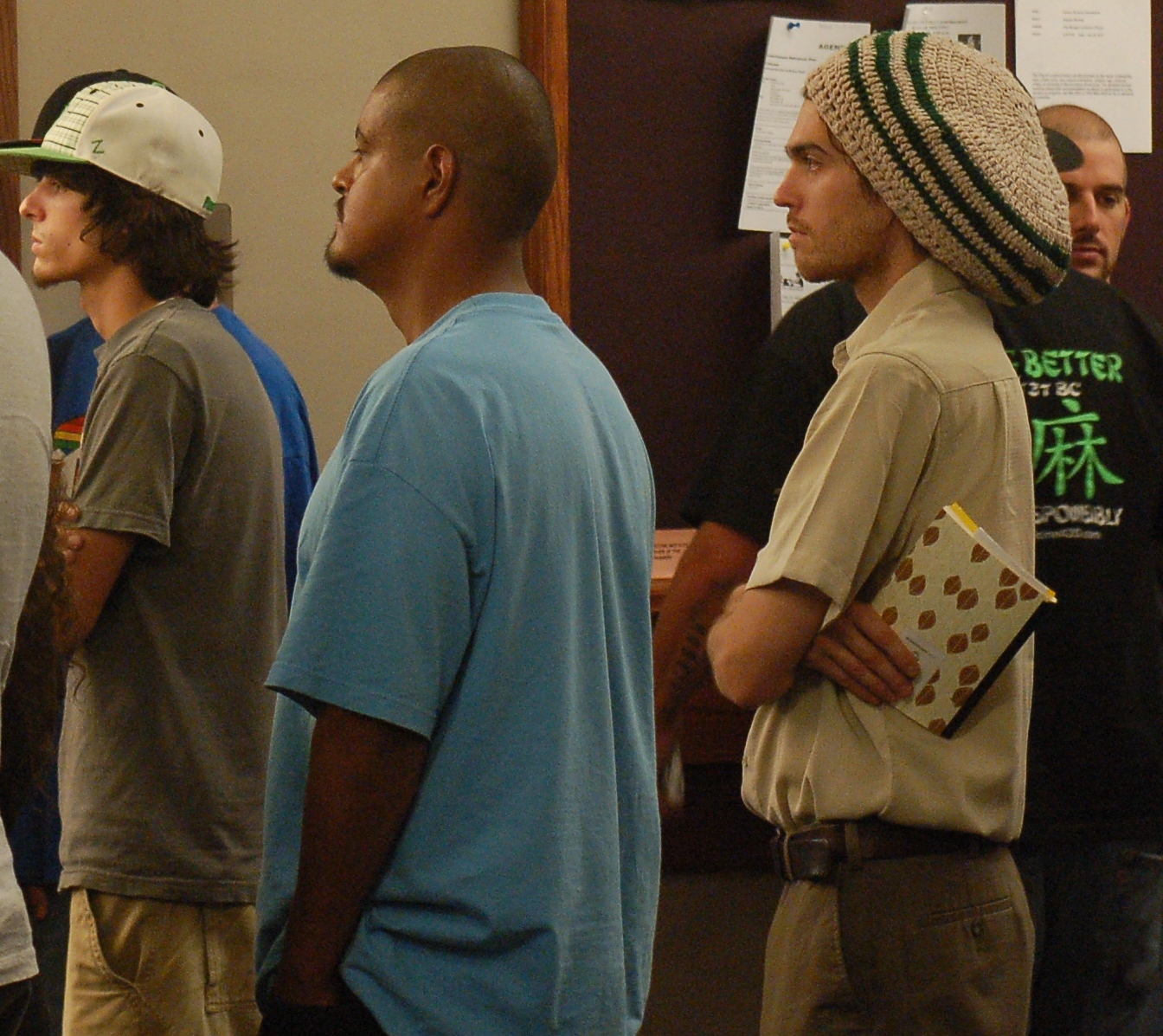
Loveland's City Council punted Tuesday night after two hours of emotional testimony asking them "not to ban" marijuana in
Loveland. Council directed staff to prepare a ballot measure asking voters whether retail sales of marijuana, still a schedule 1
narcotic under federal law, should be permitted in Loveland for cultivation and public sales. Councilman Kent Solt described the
issue as one he wanted to handle less in a representative governmental fashion and more by a direct vote of the people.
The referred measure will ask voters if the city should allow, with local and state regulations, medical marijuana dispensaries or
opt-out by prohibiting them altogether. On July 6, Loveland's council came to a consensus to direct staff to prepare one of two
options that would prohibit the retailing of marijuana in Loveland until the voters decide the issue given what Councilwoman
Shaffer referred to as an industry not mature enough to be allowed to continue in the meantime. At their next meeting July 20, all
but two councilors reversed their positions and voted to allow the continued unregulated retail and cultivation of marijuana in
Loveland until a ballot measure decides the issue.
Before taking public testimony Tuesday night, the council heard a presentation from City Attorney John Duval who was
interrupted by mocking from the audience. Duval, in response to unanimous council direction from the July 6, council meeting,
presented two options for the council; one would close the current dispensaries while the other would do the same until a ballot
measure could decide the issue.
Many in the audience didn't understand the two options were provided to council as a response to council direction at their July
6, meeting but instead thought staff was advocating the city shut down the dispensaries. The July 22, front page article in the
Reporter-Herald further propagated that myth by reporting, "faced with two entrees on a menu prepared by City Attorney John
Duval..." In fact, the menu was prepared by council on July 6, after making very strong statements about how they were ready to
vote on the issue and telling the city attorney they didn't need to see any other options at their next meeting. see their comments
A number of marijuana dispensaries in Loveland have obtained business licenses and have been paying sales taxes to the city on
sales of marijuana. Asked by council whether the city issued business licenses would already constitute a type of 'approval' by
the city (required before a state license can be obtained), Duval answered no. Shouts from the audience and loud laughter that
interrupted the attorney was silenced by a stern warning by Mayor Gutierrez that he would clear the chamber if it continued.
Colorado Department of Revenue Sends Loveland Direction On New Regulations
Of particular concern for a number of councilors during the meeting was a July 15, 2010 letter from Colorado's Dept.of Revenue
signed by Senior Enforcement Officer Matt Cook that was referred to as the "Cook letter" during the meeting. The Cook letter
contains the following direction for cities;
The purpose of this memorandum is to clarify the requirements to lawfully operate a business pursuant to the
Colorado Medical Marijuana Code, Article 43.3 of Title 12, C.R.S. ("Code") pending fill implementation and license
issuance by the state licensing authority on July 1, 2011.
1. Requirements to be lawfully operating your business now.
As of July 1, 2010, only the following people may lawfully operate a medical marijuana business pursuant to the Code:
a. A person who was operating an established, locally approved business as of
July 1,2010; or
b. A person who applied to a local government to operate a locally approved
business on or before July 1,2010. (C.R.S. § 12-43.3-103(1)(a)).
NOTE: If you do not fall into one of the above-mentioned categories, then you are not lawfully.....
The Colorado League of Cities also opined on the above with a memorandum sent to all the cities in Colorado. Duval told the
council that the city would have broad discretion in determining whether or not a particular business would be considered "locally
approved" by the State of Colorado. According the letter from the League of Cities,
"Marijuana business owner failing to meet the state’s requirements will likely result in the denial of a state license
for legal operation on July 1, 2011 and potentially being shut down by the MED. Since both a local and a state
license are required to legally operate on and after July 1, 2011 – in the same manner that liquor licensees must have
both a local and state license – any local policy that contradicts the elements the state will effectively result in that
business or potential business being shut down or never opening in the first place. "
Councilman Klassen asked a number of questions surrounding the concern that the moratorium already enacted by the council
constituted "local approval" in the eyes of the state. During the public testimony, an attorney from Denver told the council they
had already 'approved' the current dispensaries by passing the current moratorium and any attempt to close them before the
public could decide the issue would constitute an unlawful "taking" without compensation under the law.
Form Over Substances ?
Councilwoman Shaffer told the audience of dispensary owners and their patients that she believed the industry needed to get their
act together before the initiative could pass in Loveland. She repeated similar comments during a joint meeting with the Ft.
Collins City Council two days later also attended by Larimer County Commissioners. Shaffer asked her fellow councilors about
the city prohibiting the use of marijuana leaves in advertising or using the term "high" because she believe it is "abusive" towards
the patients and was not helpful for the image of the new industry.
Councilwoman Donna Rice, a former Assistant Attorney General, sat patiently through most of the Loveland council meeting
Tuesday night and waited to comment until the very end of the meeting -- after midnight. Unlike her colleagues, Rice was not
playing to the crowd but instead told them while she appreciated hearing their views and visiting a dispensary, from what she had
witnessed in her life she could not support the commercial "cultivation and distribution" of marijuana in the community.
Despite tough talk just two weeks earlier, Councilmembers Johnson, Heckel, Klassen, Solt and Gutierrez who supported Rice
abandoned their own commitments to close the dispensaries and instead expressed their support for allowing the marijuana
dispensaries to continue operating throughout Loveland at least until the voters finally decide what position the city is going to take.
Loveland's City Council punted Tuesday night after two hours of emotional testimony asking them "not to ban" marijuana in
Loveland. Council directed staff to prepare a ballot measure asking voters whether retail sales of marijuana, still a schedule 1
narcotic under federal law, should be permitted in Loveland for cultivation and public sales. Councilman Kent Solt described the
issue as one he wanted to handle less in a representative governmental fashion and more by a direct vote of the people.
The referred measure will ask voters if the city should allow, with local and state regulations, medical marijuana dispensaries or
opt-out by prohibiting them altogether. On July 6, Loveland's council came to a consensus to direct staff to prepare one of two
options that would prohibit the retailing of marijuana in Loveland until the voters decide the issue given what Councilwoman
Shaffer referred to as an industry not mature enough to be allowed to continue in the meantime. At their next meeting July 20, all
but two councilors reversed their positions and voted to allow the continued unregulated retail and cultivation of marijuana in
Loveland until a ballot measure decides the issue.
Before taking public testimony Tuesday night, the council heard a presentation from City Attorney John Duval who was
interrupted by mocking from the audience. Duval, in response to unanimous council direction from the July 6, council meeting,
presented two options for the council; one would close the current dispensaries while the other would do the same until a ballot
measure could decide the issue.
Many in the audience didn't understand the two options were provided to council as a response to council direction at their July
6, meeting but instead thought staff was advocating the city shut down the dispensaries. The July 22, front page article in the
Reporter-Herald further propagated that myth by reporting, "faced with two entrees on a menu prepared by City Attorney John
Duval..." In fact, the menu was prepared by council on July 6, after making very strong statements about how they were ready to
vote on the issue and telling the city attorney they didn't need to see any other options at their next meeting. see their comments
A number of marijuana dispensaries in Loveland have obtained business licenses and have been paying sales taxes to the city on
sales of marijuana. Asked by council whether the city issued business licenses would already constitute a type of 'approval' by
the city (required before a state license can be obtained), Duval answered no. Shouts from the audience and loud laughter that
interrupted the attorney was silenced by a stern warning by Mayor Gutierrez that he would clear the chamber if it continued.
Colorado Department of Revenue Sends Loveland Direction On New Regulations
Of particular concern for a number of councilors during the meeting was a July 15, 2010 letter from Colorado's Dept.of Revenue
signed by Senior Enforcement Officer Matt Cook that was referred to as the "Cook letter" during the meeting. The Cook letter
contains the following direction for cities;
The purpose of this memorandum is to clarify the requirements to lawfully operate a business pursuant to the
Colorado Medical Marijuana Code, Article 43.3 of Title 12, C.R.S. ("Code") pending fill implementation and license
issuance by the state licensing authority on July 1, 2011.
1. Requirements to be lawfully operating your business now.
As of July 1, 2010, only the following people may lawfully operate a medical marijuana business pursuant to the Code:
a. A person who was operating an established, locally approved business as of
July 1,2010; or
b. A person who applied to a local government to operate a locally approved
business on or before July 1,2010. (C.R.S. § 12-43.3-103(1)(a)).
NOTE: If you do not fall into one of the above-mentioned categories, then you are not lawfully.....
The Colorado League of Cities also opined on the above with a memorandum sent to all the cities in Colorado. Duval told the
council that the city would have broad discretion in determining whether or not a particular business would be considered "locally
approved" by the State of Colorado. According the letter from the League of Cities,
"Marijuana business owner failing to meet the state’s requirements will likely result in the denial of a state license
for legal operation on July 1, 2011 and potentially being shut down by the MED. Since both a local and a state
license are required to legally operate on and after July 1, 2011 – in the same manner that liquor licensees must have
both a local and state license – any local policy that contradicts the elements the state will effectively result in that
business or potential business being shut down or never opening in the first place. "
Councilman Klassen asked a number of questions surrounding the concern that the moratorium already enacted by the council
constituted "local approval" in the eyes of the state. During the public testimony, an attorney from Denver told the council they
had already 'approved' the current dispensaries by passing the current moratorium and any attempt to close them before the
public could decide the issue would constitute an unlawful "taking" without compensation under the law.
Form Over Substances ?
Councilwoman Shaffer told the audience of dispensary owners and their patients that she believed the industry needed to get their
act together before the initiative could pass in Loveland. She repeated similar comments during a joint meeting with the Ft.
Collins City Council two days later also attended by Larimer County Commissioners. Shaffer asked her fellow councilors about
the city prohibiting the use of marijuana leaves in advertising or using the term "high" because she believe it is "abusive" towards
the patients and was not helpful for the image of the new industry.
Councilwoman Donna Rice, a former Assistant Attorney General, sat patiently through most of the Loveland council meeting
Tuesday night and waited to comment until the very end of the meeting -- after midnight. Unlike her colleagues, Rice was not
playing to the crowd but instead told them while she appreciated hearing their views and visiting a dispensary, from what she had
witnessed in her life she could not support the commercial "cultivation and distribution" of marijuana in the community.
Despite tough talk just two weeks earlier, Councilmembers Johnson, Heckel, Klassen, Solt and Gutierrez who supported Rice
abandoned their own commitments to close the dispensaries and instead expressed their support for allowing the marijuana
dispensaries to continue operating throughout Loveland at least until the voters finally decide what position the city is going to take.
| Regulatory Overview November 2000 Colorado voters approve Amendment 20 to State Constitution allowing for limited use of marijuana for medical purposes October 2009 President Obama's Attorney General, Eric Holder, instructed federal prosecutes not to seek charges against medical marijuana users in 14 states where some form of marijuana use is allowed under state law. June 2010 Governor Ritter signs into law regulations allowing for the retail of marijuana in Colorado but allowing local jurisdictions of "opt-out" by prohibiting the for-profit distribution. see Denver Post article |

| Marijuana candy |
| Other Resources Academic Study On Drugs Derived From Cannabis - Medical Peer Review Medical Study California Police Chief's Summit On Medical Marijuana Dispensaries and Links to Crime In Community California Dispensary Summit Presentation Colorado State Medical Marijuana Dispensary License Application Click Here |
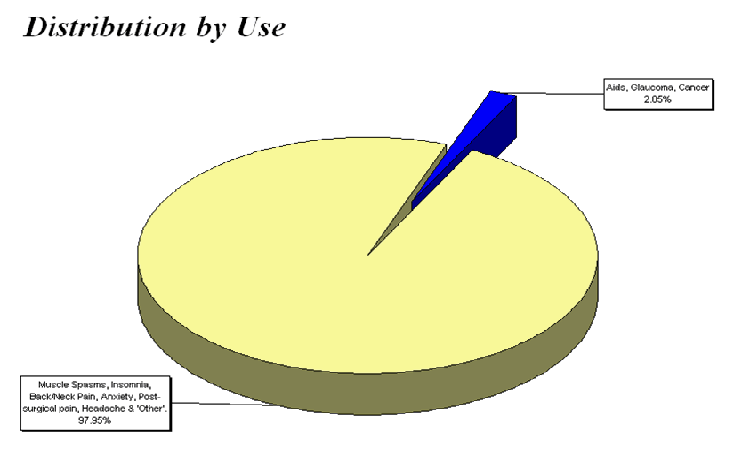
| Much of the testimony at the Loveland City Council meeting centered on the need for medical marijuana dispensaries in Loveland to provide care for patients suffering from cancer, glaucoma or other series illnesses. According to the California Police Chief Summit on Medical Marijuana Dispensaries in California, only 2.05% of the patients using these dispensaries are patients with aids, glaucoma or cancer. The vast majority, as in Colorado, obtain their prescription for pain relief, insomnia or other less serious conditions. Nonetheless, nothing in a city ban would prohibit these patients from cultivating marijuana for themselves or obtaining it from a care giver. See California Dispensary Summit Presentation |
| Correction LovelandPolitics has erroneously referred to only 13 dispensaries in Loveland. The Loveland Reoprter-Herald also reported tax revenue from 18 dispensaries, not 13, as their story erroneously reported. In fact, there are 18 dispensaries operating in Loveland as confirmed by an internal email sent by Assistant City Manager, Renee Wheeler, July 16, 2010 at 8:19 AM 13 marijuana dispensaries have store fronts in Loveland while another 5 marijuana dispensaries operate "delivery services" only. Nonetheless, the sales tax revenue figures being quoted in public by the city are from all 18 marijuana dispensaries in Loveland that have been provided business licenses. |